Cape Cod’s coastal environment tests exterior materials in ways that inland climates never do. Salt air corrodes metal fasteners. UV exposure fades paint. Humidity swells wood siding. Temperature swings cause vinyl to crack. For homeowners tired of constant maintenance and premature siding failure, James Hardie fiber cement siding offers a proven alternative designed specifically for harsh weather conditions.
After nearly five decades of installing siding on Cape Cod homes, we’ve seen every material type age under coastal conditions. Wood requires frequent painting and battles rot. Vinyl warps in summer heat and becomes brittle in winter cold. Fiber cement siding engineered by James Hardie consistently delivers superior performance with minimal maintenance requirements.
Understanding what makes fiber cement different requires looking at both material composition and installation techniques specific to Cape Cod’s environment. This isn’t just about choosing a product. It’s about ensuring your home’s exterior withstands decades of New England weather without constant intervention.
What Makes Fiber Cement Siding Different
James Hardie fiber cement siding combines Portland cement, ground sand, and cellulose fibers to create a material that resists moisture, won’t burn, and stands up to impacts that would dent vinyl or crack traditional wood siding. The manufacturing process cures the material through a proprietary method that creates a dense, stable product.
Unlike wood, fiber cement won’t rot when exposed to moisture. Unlike vinyl, it won’t crack in cold temperatures or melt under intense sun. The material maintains dimensional stability across temperature ranges that cause other siding types to expand and contract, creating gaps or buckling.
ColorPlus Technology applies baked-on color finish during manufacturing rather than after installation. This process bonds pigment directly into the fiber cement surface, creating color that resists fading far longer than field-applied paint on wood or the surface coloring on vinyl siding.
Salt Air and Coastal Weather Resistance
Cape Cod’s salt air destroys unprepared materials. Metal components corrode. Wood absorbs salt-laden moisture and decays faster. Even treated lumber shows premature aging in coastal zones. James Hardie fiber cement siding was specifically engineered for coastal climate zones.
The material itself resists salt damage. Combined with proper installation using corrosion-resistant fasteners and appropriate flashing details, fiber cement creates a weather barrier that protects underlying structure while maintaining appearance. This matters significantly for homes within a mile of Cape Cod’s coastline where salt exposure accelerates material degradation.
Wind-driven rain presents another challenge. Cape Cod nor’easters drive horizontal rain against siding with force that finds any weakness in installation. Properly installed fiber cement with appropriate water management details sheds moisture effectively while preventing infiltration behind the siding plane.
Comparing Long-Term Performance: Fiber Cement vs. Wood vs. Vinyl
Wood Siding on Cape Cod
Traditional wood clapboards offer authentic Cape Cod character but demand regular maintenance. Expect to repaint every 5-7 years in coastal conditions. Even with quality paint, moisture penetration leads to rot, especially at joints and trim connections. Wood also requires periodic replacement of damaged sections where water infiltration wasn’t caught early.
Vinyl Siding Limitations
Vinyl’s appeal comes from low initial cost, but performance issues emerge over time. Color fading becomes noticeable within 5-10 years, especially on south and west-facing walls. Cold weather makes vinyl brittle. Impact damage from flying debris during storms creates cracks that require panel replacement. Vinyl also expands and contracts significantly with temperature changes, creating gaps at joints.
Fiber Cement Advantages
James Hardie siding maintains appearance and structural integrity far longer. The baked-on ColorPlus finish carries a 15-year warranty against fading, peeling, and chipping. The material itself comes with a 30-year non-prorated warranty. While initial installation costs more than vinyl, the extended lifespan and minimal maintenance requirements provide better long-term value.
Real-world performance on Cape Cod shows fiber cement siding installed 15-20 years ago still looking nearly new with only basic cleaning. Wood siding from the same period has required multiple paint cycles. Vinyl has shown noticeable fading and brittleness.
Proper Installation Matters for Coastal Homes
Even the best siding material fails if installation doesn’t account for Cape Cod’s specific challenges. Professional installation requires understanding several critical details:
Moisture Management
Water must be directed away from wall cavities. This means proper flashing above windows and doors, at roof-wall intersections, and where siding meets trim. House wrap or building paper creates a secondary drainage plane. Weep edges at siding bottoms allow any moisture to escape rather than accumulating.
Fastener Selection
Salt air corrodes standard fasteners. Fiber cement installation on Cape Cod requires hot-dipped galvanized or stainless steel nails. Proper fastener placement through the nail line maintains siding alignment while allowing slight movement without creating stress points.
Joint Details
Vertical joints between siding planks need proper backing and caulking to prevent water infiltration. Inside and outside corners require careful attention to maintain both weatherproofing and visual appeal. Professional installers know these details prevent problems years after installation.
Trim Integration
Trim details significantly impact overall appearance and performance. James Hardie offers matching fiber cement trim boards that provide consistent expansion rates with siding. This prevents the gaps that occur when mixing materials with different thermal movement characteristics. Learn more about our complete exterior remodeling services.
Color Selection and Cape Cod Architectural Character
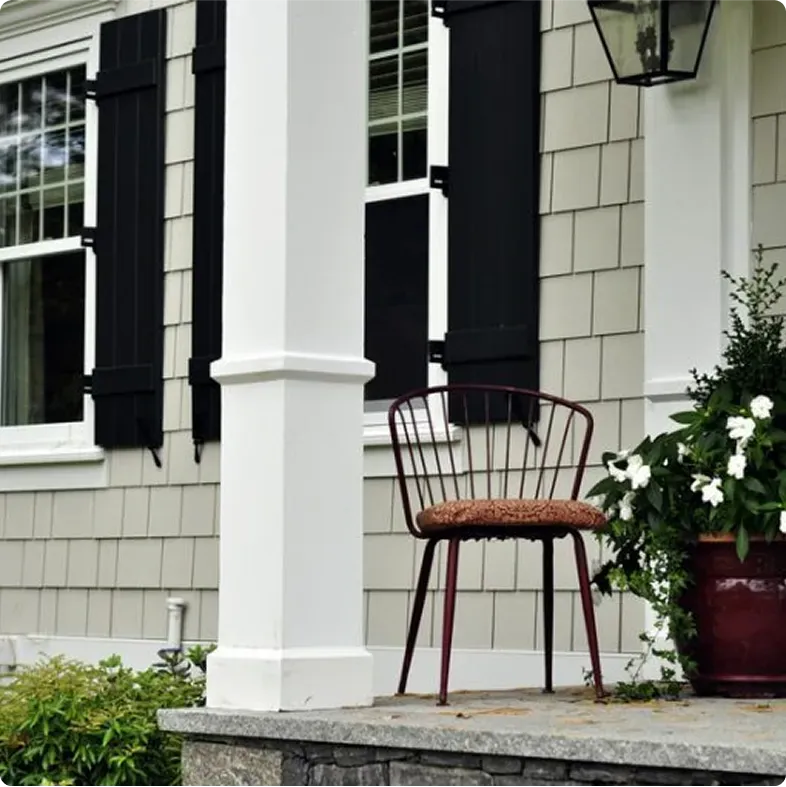
James Hardie’s ColorPlus palette includes colors specifically suited to Cape Cod architecture. Traditional choices include crisp whites, soft grays, and muted coastal blues that complement Cape Cod’s historical character while providing modern performance.
Darker colors absorb more heat, which matters when selecting siding for south and west-facing walls. James Hardie engineers products to handle higher heat loads, but color choice still affects long-term performance. Professional guidance helps select colors that work with your home’s orientation and architectural details.
Matching existing homes in historic districts requires careful color selection. Some Cape Cod towns have architectural review boards that approve exterior changes. Working with contractors experienced in these processes ensures your siding project moves forward without delays.
Maintenance Requirements Over Time
Fiber cement siding requires minimal ongoing maintenance compared to wood or vinyl. Periodic cleaning with a garden hose removes salt buildup and surface dirt. Unlike wood, no scraping or painting is needed. Unlike vinyl, panels don’t need replacement due to fading or brittleness.
Caulked joints may need periodic inspection and touch-up every 10-15 years. This minor maintenance prevents water infiltration at vulnerable points. The ColorPlus finish typically requires no attention for 15+ years. Even after that period, refresh options are available if desired, though many homeowners find the color still acceptable.
This reduced maintenance burden particularly benefits seasonal Cape Cod residents who can’t perform regular upkeep during off-season months. The siding protects the home year-round without requiring constant attention.
Installation Timeline and Process
Professional fiber cement installation on a typical Cape Cod home takes 2-4 weeks depending on house size and complexity. The process involves:
Preparation Phase
Removing existing siding, inspecting sheathing for damage, making any necessary structural repairs, and installing proper moisture barriers.
Installation Phase
Installing fiber cement siding with proper fastening, maintaining correct spacing, and ensuring all joints are properly sealed.
Trim and Finish Phase
Installing corner boards, window trim, and door casings. Applying caulk at all necessary joints. Final inspection ensures weatherproofing and appearance meet standards.
Weather affects scheduling. Rain and extreme temperatures can delay installation. Experienced Cape Cod contractors plan projects to avoid weather conflicts when possible and work efficiently when conditions allow.
Cost Considerations and Long-Term Value
James Hardie siding costs more upfront than vinyl but less than premium wood options like cedar shingles. The investment pays back through:
Reduced Maintenance Costs
Elimination of painting cycles saves thousands over 20-30 years. No rot repair or panel replacement from weather damage reduces unexpected expenses.
Energy Efficiency
Properly installed fiber cement with modern insulation improves home energy performance. This reduces heating and cooling costs, particularly important on Cape Cod where seasonal temperature swings are significant.
Home Value Protection
Quality siding protects your investment. Homes with well-maintained fiber cement siding command higher resale values than those with faded vinyl or deteriorating wood. Buyers recognize the reduced maintenance burden.
Working With Experienced Cape Cod Installers
James Hardie siding installation requires specific training and experience. The company certifies contractors who complete their training programs and demonstrate proper installation techniques. This certification matters because improper installation voids warranties and leads to performance problems.
Look for contractors with:
- James Hardie certification and current status
- Specific experience with Cape Cod coastal installations
- Portfolio of completed projects in your area
- References from homeowners whose installations are several years old
At Capizzi Home, our installation teams understand both James Hardie’s requirements and Cape Cod’s specific challenges. Nearly five decades of coastal construction experience ensures your siding performs as designed for decades. Read more about our team and experience.
Making the Decision for Your Cape Cod Home
Choosing exterior siding involves balancing initial investment, long-term performance, maintenance requirements, and aesthetic goals. For Cape Cod homeowners who value durability and minimal upkeep, James Hardie fiber cement consistently delivers.
The material handles salt air, humidity, temperature extremes, and wind-driven rain better than alternatives. Professional installation ensures proper water management and fastening. ColorPlus finish maintains appearance far longer than painted wood or surface-colored vinyl.
If you’re tired of constant siding maintenance or facing replacement of failed wood or vinyl, fiber cement offers a solution engineered for coastal conditions. The investment protects your home while reducing ongoing maintenance burden.Ready to discuss James Hardie siding for your Cape Cod home? Contact Capizzi Home to schedule a consultation. We’ll evaluate your current siding, discuss color and style options, and provide detailed proposals for professional installation that delivers lasting performance.