Kitchen Lighting for Low Ceilings on Cape Cod: Bright, Beautiful Results Without Dropping the Ceiling

Home ImprovementInterior DesignKitchen DesignLighting Design
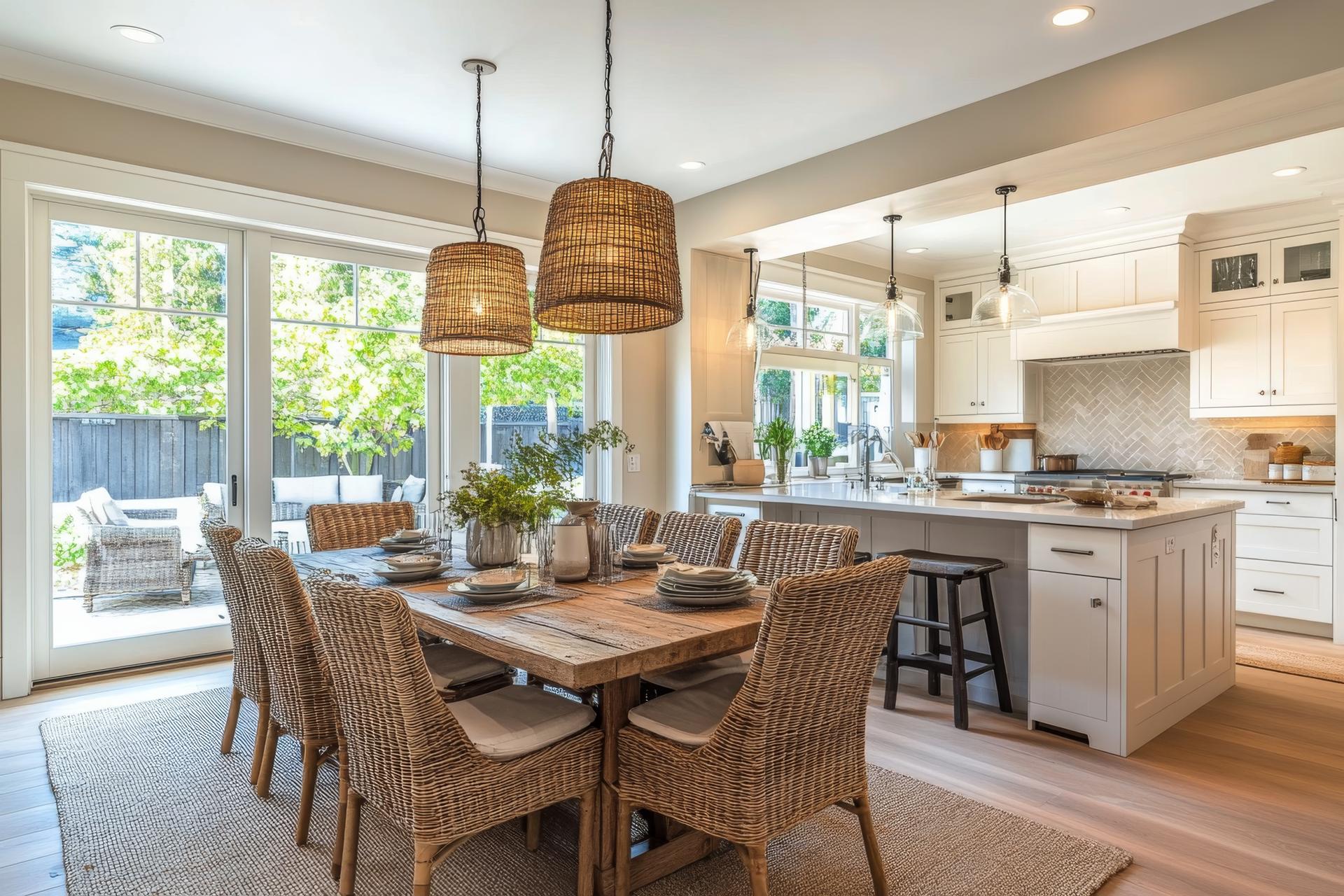
Capizzi Cape Cod Cozy kitchen interior with rustic design

A practical lighting plan for classic Cape layouts, low ceiling heights, and long winter shadows

Low ceilings are common across Cape Cod and South Shore homes—especially capes, ranches, and older colonials where headroom is precious and the roofline influences every design choice. The good news: a low ceiling doesn’t mean a dark kitchen. With the right mix of flush fixtures, carefully placed recessed lights, under-cabinet task lighting, and a smart dimming plan, you can get a kitchen that feels taller, brighter, and calmer—without “can-light runway” glare or shadowy countertops.

Cape Cod Kitchen Lighting

Why low ceilings feel darker (even with “enough” fixtures)

In many Cape kitchens, the problem isn’t the number of lights—it’s where the light lands. A single centered fixture (or even a row of recessed lights down the middle) can leave the counters in shadow because your body blocks the beam while you work. Low ceilings also amplify glare: a too-bright bare bulb or exposed LED can feel harsh at eye level.
The fix is a layered lighting plan that balances:

Ambient lighting (overall brightness)
Task lighting (countertops, sink, range)
Accent lighting (visual warmth, depth, and “lift”)

What “good” looks like in a low-ceiling kitchen

A well-lit Cape kitchen should feel bright at 7:00 AM in February and still feel inviting at 7:00 PM in July. In practice, that usually means:

No dark counters: task lighting is doing the heavy lifting, not the ceiling lights.
No “airport runway” ceiling: fewer fixtures, placed smarter, with quality optics.
Dimming everywhere: so you can move from prep to dinner to cleanup without harsh brightness.
Warm-neutral color temperature: typically 2700K–3000K for most Cape interiors (especially with natural wood and soft whites).

Quick “Did you know?” lighting facts (that prevent expensive do-overs)

Recessed downlights aren’t the only low-ceiling option. Some high-performing downlights are designed to be surface- or wall-mounted while still projecting light like a recessed fixture—useful when ceiling depth is limited. 
ENERGY STAR recessed downlight retrofit kits can be a smart upgrade path. They’re designed for downlight applications, typically dimmable, and tested for performance and long life. 
Code-wise, kitchens generally require a switched lighting outlet. NEC requirements typically include at least one wall switch-controlled lighting outlet in a kitchen, but exact compliance details depend on the layout and scope of work.

Massachusetts has its own minimum standards for kitchens in certain contexts. For example, Massachusetts’ sanitary code includes minimum habitability standards that address required lighting and electrical service in kitchens.

The best fixture types for low ceilings (and when to use each)

1) Under-cabinet lighting (your #1 countertop “fix”)

If your goal is bright counters without adding ceiling glare, under-cabinet lighting is the workhorse. It puts light exactly where you chop, mix, read recipes, and pack lunches—especially important in Cape kitchens where upper cabinets can create deep shadows.

Best for: prep runs, sink areas, coffee stations
Look for: diffused LED strips or slim bar lights, warm-neutral (2700K–3000K), dimmable
Pro tip: add a small “night-light” scene at 10–20% brightness for late evenings

2) Recessed LED downlights (only where they help, not everywhere)

Recessed lights can look clean in a low ceiling because they don’t hang down—but they’re easy to overuse. In many kitchens, fewer recessed fixtures placed in front of work zones (not centered over your head) creates better task lighting with less glare.

Best for: ambient fill, targeted zones (sink, range, pantry run)
Look for: quality optics, good glare control, and compatibility with your chosen dimmer
Upgrade note: ENERGY STAR-certified recessed downlight retrofit kits are built for downlight applications and are a common, efficient modernization option. 

3) Semi-flush or flush-mount fixtures (low profile, big comfort)

A well-chosen flush or semi-flush fixture can make a low ceiling feel intentional rather than “compromised.” It also softens the overall light, which is helpful when your kitchen opens into a family room or dining area.

Best for: a central ambient layer, breakfast nook zones
Look for: diffusers (to reduce glare), dimming, and a size that fits the room (bigger is often better than “tiny and bright”)

4) Wall sconces and toe-kick lighting (small additions that make the room feel taller)

When ceiling height is limited, adding light to vertical surfaces helps the space feel more open. Sconces can bring warmth near a dining corner or coffee zone, and toe-kick lighting adds a subtle “float” effect that’s practical at night.

Quick comparison table: best lighting mix for a low-ceiling Cape kitchen

Lighting Layer Best Fixture Type Why It Works for Low Ceilings Common Mistake
Task Under-cabinet LED Bright counters without glare; reduces shadows Skipping it and “adding more cans” instead
Ambient Flush / semi-flush mount Soft, even room fill with minimal drop Tiny fixture with overly bright lamp
Targeted fill Recessed LED downlights Clean ceiling line; great for zones Centering them over aisles (creates counter shadows)
Accent Sconces / toe-kick / in-cabinet Adds depth; makes the space feel taller and calmer No dimming (accent becomes distracting)

Step-by-step: a low-ceiling kitchen lighting plan that avoids mid-build changes

Step 1: Lock the layout before you place ceiling lights

Lighting placement depends on cabinet runs, sink location, island size, and where tall pantry panels land. If the layout shifts later, your recessed lights can end up centered in the wrong spots—creating shadows or highlighting the wrong surfaces.

Step 2: Prioritize task lighting for countertops

Under-cabinet lighting should be treated as “required” in most Cape kitchens. It solves the most common low-ceiling complaint: “My counters are still dark.”

Step 3: Use recessed lights strategically (not as the entire plan)

If you’re using downlights, focus on zones: sink, range, key prep areas, and circulation. Choose fixtures with good glare control, and ensure they’re compatible with the dimmer you want. ENERGY STAR offers guidance on recessed downlights and retrofit kits designed for downlight applications. 

Step 4: Add at least two lighting “scenes” (and dim both)

A practical minimum is:

Scene A: Prep/Clean (bright counters + adequate ambient)
Scene B: Dinner/Evening (warm ambient + accents, with reduced overhead intensity)

This is where low ceilings shine: a dimmed, layered plan looks higher-end than a single, bright ceiling fixture.

Step 5: Confirm the “minimums” early (switching and code basics)

Kitchens require a wall switch-controlled lighting outlet under NEC guidance, and Massachusetts has additional standards in certain contexts. Getting your electrical plan right early reduces change orders once walls and ceilings are closed. 

Local angle: what works especially well in Sandwich, MA kitchens

In Sandwich and across Cape Cod, homeowners often plan renovations around seasonal life: brighter mornings, summer entertaining, and a kitchen that feels open after darker winter months. For low ceilings, that typically means:

Warm-neutral LEDs that complement coastal palettes without feeling “blue.”
Layered lighting that keeps the kitchen welcoming even when the sun sets early.
Careful fixture selection for salt-air durability in exterior-adjacent entries and mudroom connections.
If your home has classic Cape features—lower plate heights, beams, or a tight kitchen footprint—designing the lighting alongside cabinetry and ceiling details helps you avoid the common “we’ll figure it out later” trap that leads to patchwork solutions.

Ready to design a kitchen lighting plan that fits your ceiling (and your life)?

Capizzi Home Improvement helps Cape Cod and South Shore homeowners make confident layout and lighting decisions early—so the kitchen feels brighter, the ceiling feels higher, and the build stays on track.

FAQ: Kitchen lighting for low ceilings (Cape Cod edition)

How many recessed lights do I need in a low-ceiling kitchen?

There isn’t a one-size number. In low ceilings, the better approach is: use recessed lights to support zones (sink/range/prep) and rely on under-cabinet lighting for counters. Too many recessed lights can create glare and a “flat” look.

Is under-cabinet lighting really necessary?

In most Cape kitchens with upper cabinets, yes. It’s the most reliable way to eliminate counter shadows—especially at the back of the counter where you prep and where small appliances live.

What color temperature is best for Cape Cod kitchens?

Most homeowners prefer 2700K to 3000K for a warm, natural feel—especially with coastal whites, warm woods, and softer paint colors. If you have very cool finishes (bright whites/gray stone), 3000K often looks cleaner without feeling stark.

Do I need dimmers in a kitchen?

If you want the kitchen to work for both prep and entertaining, dimmers make a noticeable difference—especially in low ceilings where bright overhead light can feel intense. Plan dimming by “scene” (ambient, task, accent) instead of putting everything on one switch.

Are there code requirements for kitchen lighting in Massachusetts?

Kitchens are required to have a wall switch-controlled lighting outlet under NEC guidance. Massachusetts also maintains state-specific regulations and standards that may apply depending on the scope and context of the project. Your remodeling team and electrician should confirm requirements for your exact plans and permits. 

Glossary (helpful terms for planning your lighting)

Ambient lighting
The general, overall light level in the room—what keeps a kitchen from feeling dim.
Task lighting
Focused light for work areas like countertops, sink, and cooktop—often under-cabinet or targeted downlights.
Accent lighting
Lighting that adds depth and warmth (toe-kick lighting, sconces, in-cabinet lighting).
CCT (Correlated Color Temperature)
How warm or cool a white light appears, measured in Kelvin (K). Many Cape kitchens look best around 2700K–3000K.
Downlight
A fixture designed to project light downward (often recessed, but can also be surface-mounted depending on the product). 
RELATED ARTICLES

Comfort-forward upgrades that look beautiful now—and quietly remove daily barriers Many Barnstable[…]