With their steep pitched roofs, symmetrical facades, and understated charm, Cape Cod homes have long held a special place in American residential architecture. These homes are known for their compact footprints, classic dormers, central chimneys, and wood shake or clapboard siding. While their curb appeal is timeless, many homeowners quickly find that the original layouts don’t always meet today’s lifestyle needs.
Why do homeowners turn to additions? For many, it comes down to space and functionality. Original Cape Cod homes were designed for modest living. But when families grow or lifestyles shift, these layouts can feel limiting. Whether it’s needing a larger kitchen, an updated primary suite, or a dedicated home office, expanding the livable space becomes a priority. Done right, a home addition can preserve the home’s character while finally making it fit your life.
Not all additions are simple. Cape Cod homes have some unique structural and aesthetic constraints that require thoughtful planning. The steep roof pitch, for example, is a hallmark of the style and has to be carefully echoed in any second-story or dormer expansion. Adding floor space without overwhelming the original scale of the house is another consistent challenge.
Blending the new with the old is non-negotiable. Additions that ignore proportion, symmetry, and material choices stand out in a bad way. Cape Cod designs rely on balance and simplicity. When extending square footage, everything from the window trim and siding to rooflines and chimney placement needs to feel cohesive. This requires more than a general contractor. It demands professional teams who specialize in historically informed design and smart construction planning.
Expanding a Cape Cod home isn’t just about adding more space. It’s about doing it with care and preserving the charm, building with integrity, and improving how the home actually works for the people living in it. That’s what sets a well-executed addition apart from one that feels tacked on.
Popular and Practical Cape Cod Addition Ideas
If you’re looking to expand your Cape Cod home, you have several smart options that respect the style while delivering the space you need. Each addition type has design considerations, but when done with expert planning, they can solve functional gaps and keep the classic integrity intact.
Rear Additions for Expanded Living Spaces
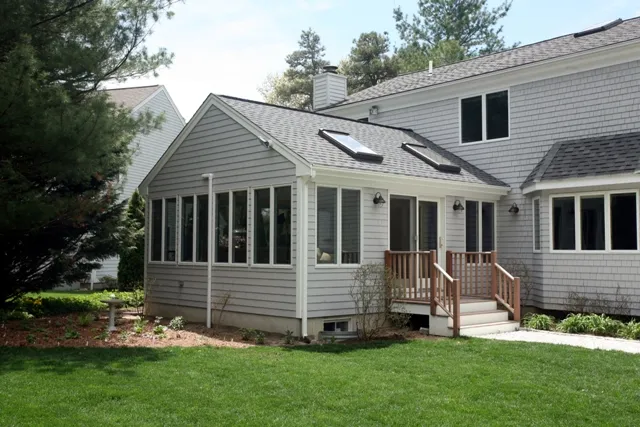
A rear addition is one of the most seamless ways to increase square footage without disrupting the public-facing appearance. These extensions often house larger kitchens, dining areas, and expanded family rooms. By keeping the addition behind the original structure, you preserve street-side symmetry and can match rooflines more easily for visual harmony.
Second-Floor Additions and Shed Dormers
Many Cape Cod homes were originally built as one-and-a-half-story houses, meaning the roofline dips low into the second floor. Expanding upward with shed dormers adds much-needed headroom and usable square footage without making the house look top-heavy. For homeowners needing more bedrooms, bathrooms, or a primary suite, this approach brings modern comfort into a traditional frame.
Garage Conversions and Additions
If your property has an attached or detached garage, converting it into a finished interior space is a practical way to create home offices, guest rooms, or studios. You can also add entirely new garage structures with finished space above, especially when local zoning allows for it. With careful detailing (like matching trim and gable pitch), garage additions can enhance both utility and curb appeal.
Accessory Dwelling Units (ADUs)
ADUs are growing in popularity for a reason. These standalone or attached mini-dwellings work well on properties with additional yard space. Whether you plan to use them as guest suites, in-law quarters, or rental units, ADUs can be built to reflect your main home’s Cape Cod character while operating independently for privacy and flexibility.
Interior Upgrades That Support Additions
Maximizing the value of your addition isn’t just about building more rooms. Smart interior upgrades can improve how the entire home functions. Consider these enhancement options that pair well with structural additions:
- Open floor plans: Removing select interior walls can connect new and existing spaces, improving flow and sightlines.
- Bay or bow windows: These architectural features increase natural light and give an illusion of more space.
- Enclosed porches or sunrooms: These transitional spaces extend your living area and provide a spot to enjoy New England’s changing seasons.
Every addition should feel like it’s always been there. That’s the standard your project should meet, and that only happens with expert craftsmanship, strategic planning, and a deep understanding of what makes Cape Cod homes so special.
Designing an Authentic Cape Cod Addition with Professional Help
When expanding a Cape Cod home, authenticity matters. These homes have a clear identity of symmetry, simplicity, and uniformity in materials. To honor that while improving function, you need professionals who understand the architectural language and construction details that define the style. This isn’t the place for guesswork or trends that clash with tradition. The right team ensures your addition looks intentional, not like an afterthought.
Professional design guidance protects your investment. Architects and builders familiar with Cape Cod homes know how to carry forward the visual rhythm of the original design. That includes avoiding common mistakes like mismatched siding, clumsy roof transitions, or over-scaled additions that dominate the original facade. When planning your project, a seasoned designer can solve layout problems in a way that honors the home’s DNA, rather than working against it.
Key Design Principles for Cape Cod Additions
- Match roof pitch and materials: Cape Cods typically feature steep (often 8/12 or greater) roof pitches. A flat or shallow-pitched roof on a new section throws off the entire look. Your builder should mirror the original angle and use the same roofing material, whether that’s asphalt shingle or natural cedar to maintain visual continuity.
- Respect symmetry and fenestration: Window placement plays a big role in how balanced your home feels. Additions should follow the existing layout where possible. That means aligning window centers, using similar mullion patterns, and choosing sash or casement windows consistent with the original style.
- Choose complementary trim and siding: Cape Cod design thrives on cohesive details. That includes matching corner boards, window casings, and lap exposure in clapboard siding. Even paint tone selection should be deliberate to avoid color imbalances that separate the old from the new.
- Thoughtful light and storage planning: Many Cape Cod homes struggle with storage and natural light. Additions offer an opportunity to address both. Use built-in storage solutions (like knee-wall drawers or under-eave cabinets) to maximize efficiency. Larger windows, transoms, or light wells can bring in sunlight without breaking stylistic rules.
Good design doesn’t fight the house. It works with it! A successful Cape Cod addition blends so well it feels like it’s always been part of the structure. That takes more than taste, it takes experience. Make sure the team you hire has the right background. The best outcomes come from professionals who see both the big picture and the small details combining form, function, and timeless style.
Navigating Zoning, Permits, and Structural Requirements
Planning a home addition on a Cape Cod-style property involves more than just design choices. There’s a complex layer of regulations, approvals, and structural logistics that must be addressed before the first hammer ever swings. Homeowners who want a streamlined, headache-free process should understand the scope of what professional builders handle when managing these key requirements.
Zoning and Historic Preservation Requirements
Cape Cod homes are often located in neighborhoods with strict local zoning ordinances or homeowner association rules. These can regulate setback distances, lot coverage ratios, building height, and allowable use. In certain areas, especially close to historic districts, you may also encounter preservation guidelines that dictate exterior materials, window style, and roof design.
Zoning challenges most often arise in three areas:
- Lot usage limitations: You may be restricted in how much of your plot can be developed. Additions must adhere to property line setbacks and open space requirements.
- Height limitations: Cape Cod additions involving second floors or dormers must stay within maximum allowable height per municipal code.
- Design conformity in regulated zones: Some towns impose requirements to maintain architectural harmony, especially in historic neighborhoods.
Working with a builder familiar with local codes means these constraints are proactively addressed in the plans and not discovered surprises after submission. This avoids costly delays and revisions.
Permits and Approvals
Every home addition requires multiple permits, from zoning board approvals to building inspections. Coordinating these can be time-consuming if you don’t have the proper experience. A professionally managed project includes:
- Site plan submissions
- Zoning review and appeals (if needed)
- Architectural review board approval in historic areas
- Building, electrical, and plumbing permits
Speed and accuracy matter here. A good contractor knows how to prepare the right documents, answer plan review questions, and keep the process moving without unnecessary hold-ups.
Structural Considerations for Cape Cod Additions
Working on a Cape Cod house means dealing with unique structural elements tailor-made for their time but not always ideal for today’s additions. Some common challenges include:
- Foundation compatibility: New additions must tie into original foundations with proper load distribution. In some cases, reinforcements or full footing installations are necessary.
- Roofline integration: Matching the steep pitch of the original structure is non-negotiable for aesthetic and weather performance. Seamless roof integration takes carpentry precision and experience with Cape-specific construction.
- Weatherproofing: The New England climate demands tight seals, proper insulation, and vapor management between old and new structures. Unchecked transitions can lead to moisture issues and energy loss.
This is where professional management proves its value. Skilled teams handle coordination between architects, engineers, and inspectors. They organize every phase to maintain compliance, structural integrity, and timeline alignment.
If you’re investing in the long-term comfort and resale value of your home, don’t leave regulatory approvals or structural complexities to chance. Cape Cod additions require clear strategy, deep technical know-how, and a team that takes care of every moving part, from paperwork to framing, with the same level of care.
Managing Your Cape Cod Home Addition Project for Quality and Timeliness
When you’re investing in an addition to your Cape Cod home, the last thing you want is a drawn-out, chaotic build site that disrupts your life for months on end. Clear scheduling, responsible project management, and expert craftsmanship shouldn’t be luxuries, they should be standard. If you’re not interested in managing tradespeople, chasing updates, or solving permit issues mid-project, here’s what to focus on instead.
Hire the Right Professional Team
Not every contractor understands the nuance of expanding a Cape Cod-style home. Prioritize builders with demonstrated experience handling these projects from start to finish. Look for a firm that offers a full-service design-build approach, manages all subcontracting, and maintains tight handling over timelines and inspections. A good fit will walk you through early planning and handle communication from initial drawings through final punch list.
Tip: Make sure your builder is licensed, insured, and familiar with local code enforcement departments. That experience often keeps timelines tight and approvals smooth.
Set a Realistic Timeline and Stick to It
Every addition needs a construction schedule shaped around design complexity, weather, materials, and permitting lead times. A good contractor sets realistic targets and uses a phased schedule to keep benchmarks in check. You should know when major milestones will be hit (like framing, MEP work, and finishing) and how long the entire build is expected to last.
Accountability comes from clear planning and disciplined progress tracking. Don’t settle for vague promises or shifting deadlines. Demand a written project schedule and routine updates.
Budget with a Buffer
No matter how good the planning is, there are always variables in construction. Soil issues, structural surprises during demolition, or delayed material shipments are all real possibilities. Build in a contingency buffer, typically a percentage of the overall budget, to handle unexpected issues without stalling momentum. A well-organized contractor helps you make quick, informed adjustments if needed.
Keep Communication Clean
Your contractor should be checking in with you regularly. Weekly progress reports, email updates, and shared walkthroughs give you full visibility without having to micromanage. If there’s ever a change in schedule, product selection, or design scope, you deserve to hear it immediately with options and solutions already prepared.
Minimize the Disruption
Living at home during a major addition is possible, but it shouldn’t come at the cost of your peace of mind. A professional team will isolate work areas with proper dust barriers, schedule work during standard hours, and keep the site organized to reduce noise, mess, and safety concerns. They’ll also communicate schedule disruptions that might affect utility access or daily routines.
A calm, clean build site reflects a thoughtful and professional team. That’s exactly what you should expect when expanding your Cape Cod home with care and confidence.
The right hands-off approach doesn’t mean giving up control, it means handing it to people who treat your home with the same respect you do. Quality, communication, and time discipline are non-negotiables when you’re trusting someone with your home and your investment.
Incorporating Cape Cod Remodeling Ideas with Additions for Cohesive Home Transformation
Pairing a home addition with smart interior remodeling can do more than add square footage, it can reshape how your Cape Cod house functions and feels. When approached with a cohesive plan, remodeling and additions support one another to deliver both practical gains and lasting comfort. The key is integrating changes so that nothing feels disjointed or like an afterthought.
Update the Interior to Match the New Space
Cape Cod interiors are often characterized by low ceilings, tight rooms, and closed-off living areas. These elements may honor tradition, but they can limit how your home supports modern life. If you’re putting in an addition, it’s the perfect opportunity to rework adjacent spaces. This could mean:
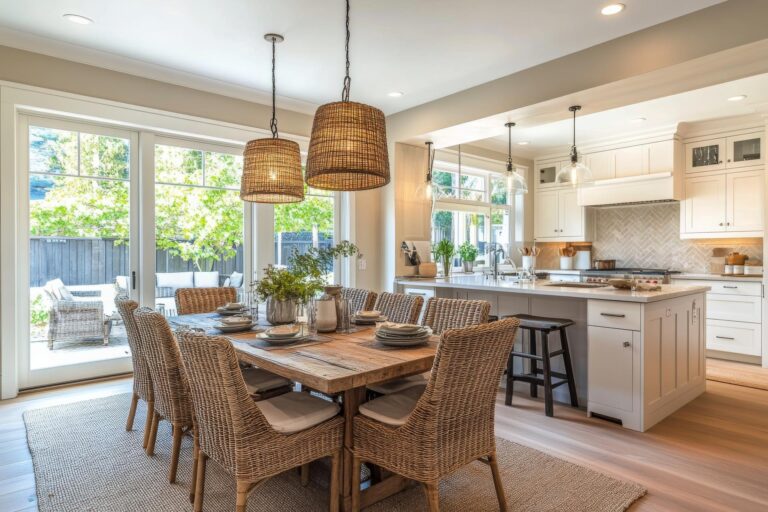
- Reconfiguring the kitchen layout to open into a new dining or living area
- Removing non-load-bearing walls to give the home a better flow
- Repurposing old rooms (like formal parlors or small dens) into useful areas like mudrooms, homework niches, or pantries
Think of this as a full-home strategy, not just a square-footage fix. When old and new are planned together, the result is smoother transitions and higher daily function.
Style Consistency: Don’t Mix Eras
Remodeling a kitchen, bath, or living space during an addition should follow the same visual language as the rest of the house. That doesn’t mean copying dated finishes. It means respecting proportion, materials, and detailing. Use these design constants as your guide:
- Keep cabinetry choices simple and traditional, with flat-panel or shaker fronts in muted colors
- Incorporate hardwood or similar natural flooring throughout new and existing spaces
- Continue trim styles, baseboards, and crown molding across transitions so the addition and original interior speak the same language
The goal: seamless flow and not visual whiplash. Your space should feel unified, not like a patchwork of different renovations done years apart.
Maximize Investment by Aligning Projects
Doing a remodel and an addition together helps reduce redundancies. You avoid tearing out new finishes later, and you only deal with one construction timeline. This can cut down costs and keep disruption contained to a known window. It also means:
- Shared building permits and inspections
- Single-team coordination across framing, plumbing, electrical, and finish work
- Clearer budget forecasting with fewer surprises
This is where experienced design-build teams stand out. They understand how to structure projects that combine multiple scopes while keeping the process controlled, cohesive, and professionally managed from start to finish.
Honor the Charm While Improving Everyday Living
Remodeling a Cape Cod doesn’t mean wiping away its identity. It means solving its limits while keeping the personality intact. Blend past and present with thoughtful choices that check both boxes: functionality and charm.
If you’re expanding your Cape home, use the momentum to rethink the inside, too. The best transformations come from working with professionals who understand the value of craftsmanship, continuity, and design integrity. It’s not just about what you add. It’s about how well everything works together when it’s done.
Summary and Next Steps
If you’re ready to expand your Cape Cod home, the path forward is informed planning and professional execution (not trial and error). Every section of this guide has pointed to one clear truth: getting a Cape Cod addition right means respecting timeless design, adhering to local regulations, and building with craftsmanship that doesn’t cut corners.
You don’t need to become an expert in framing or zoning codes. What you need is an expert on your side. This is someone who knows these homes from the inside out and has managed projects like yours before. There’s a huge difference between a generic builder and a seasoned Cape Cod specialist. One might get the space built. The other will make it feel like it was always part of your home.
From second-floor dormers and kitchen expansions to matching window trim and navigating town approvals, every detail matters. And if you don’t want to waste time overseeing subcontractors, chasing change orders, or babysitting a muddled timeline, it’s time to engage the professionals who can manage it right.
Here’s what you should expect from a high-quality design-build firm:
- Consistency between old and new structures, inside and out
- Clear communication from start to finish
- Smooth coordination of permits, inspections, and trade work
- Respect for your property, time, and need for minimal disruption
If you’re ready to expand your Cape Cod home without the stress of DIY setups or drawn-out builds, the next step is simple. Schedule a consultation with a local team that understands the Cape aesthetic and delivers dependable results with zero hassle. Look for builders who specialize in these homes and not just any contractor with a pickup truck and a crew.
Your home deserves more than just extra space. It deserves a finished product that respects its identity, improves your everyday living, and adds long-term value.
You’ve got a clear goal. Now work with the right people to get it done on time and without compromise.