Best Decking Material for Cape Cod Homes: A Coastal-Proof Comparison for Provincetown

Coastal LivingDeckingHome ImprovementOutdoor Spaces
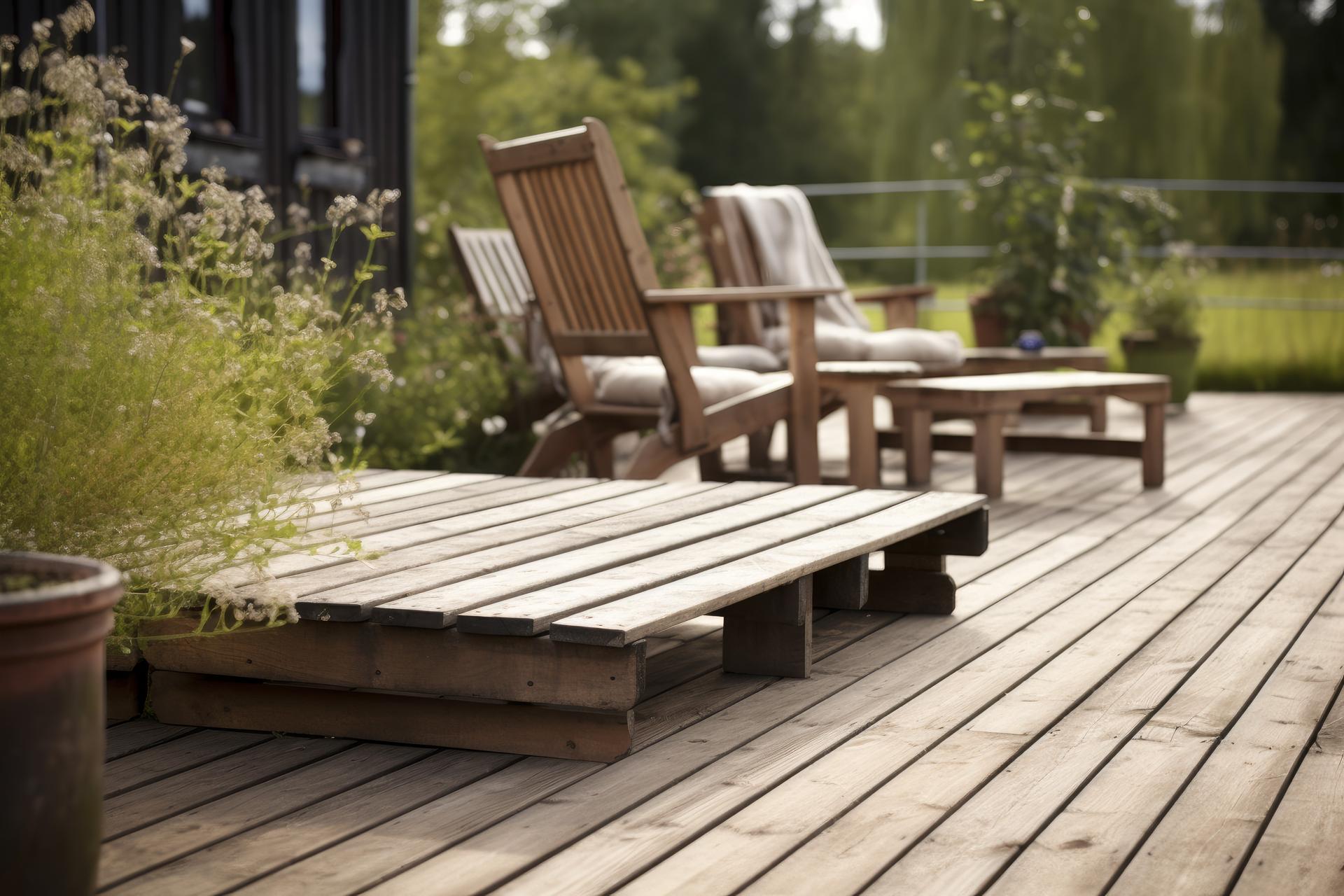
Veranda wooden chairs table. Generate Ai

Salt air, wet summers, and sandy feet-your deck has to earn its keep

If you’re planning a Provincetown-area deck before summer, the “best decking material Cape Cod” question usually isn’t about color first—it’s about performance. Coastal homes deal with salt spray, wind-driven rain, humidity, fastener corrosion, and the kind of damp shade that invites mildew. The right material choice can reduce splinters, minimize maintenance, and protect long-term value—without sacrificing style.

What “best” means on the Cape: 6 performance factors that matter

1) Moisture resistance: Boards that absorb water (or trap it at the surface) are more prone to swelling, staining, mold growth, and freeze-thaw wear.
2) Salt-air durability: Coastal corrosion doesn’t just hit railings—fasteners, connectors, and hardware matter as much as the deck boards.
3) Barefoot comfort: Surface texture, heat retention in full sun, and the risk of splinters are daily-life issues—especially with kids and guests.
4) Maintenance reality: “Low maintenance” should mean actual low maintenance: washing, spot-cleaning, and avoiding frequent sanding/staining cycles.
5) Structural feel: Some deck boards require tighter joist spacing for a solid feel underfoot—important for entertaining and accessibility.
6) Long-term value: Not just “what costs less today,” but what stays attractive and safe with fewer repairs over 10–25 years.

Cape Cod decking options—how they really compare

Below are the most common categories Provincetown homeowners compare. (Brands vary, but the core tradeoffs stay consistent.)
Material Best at Watch-outs on the Cape Maintenance level Typical “feel”
Pressure-treated wood Lower upfront cost; easy to source; familiar look Splinters; regular staining; can warp/check; fastener/hardware corrosion with modern treatments unless specified correctly High Cooler underfoot; can feel rough over time
Cedar Natural beauty; lighter weight; less chemical exposure Soft wood dents; needs consistent sealing; can gray quickly; not ideal for damp shade if you want a pristine look High Comfortable, “classic Cape” vibe
Hardwood (e.g., ipe) Very long lifespan; strong; premium natural look Higher cost; can be hot in full sun; specialized fastening; will weather/gray without oiling; weight and detailing matter Medium (higher if maintaining rich color) Solid, upscale, smooth
Capped composite (WPC) Low-maintenance look; good slip textures; broad color choices Darker colors can run warmer in sun; budget lines can show wear sooner; needs correct joist spacing for a firm feel Low Stable; consistently smooth
PVC / capped polymer Top-tier moisture resistance; excellent for coastal humidity; very low upkeep Higher cost; some homeowners prefer a “real wood” feel; heat depends on color/finish Very low Crisp, clean, refined
Quick takeaway for Cape Cod: If your deck sits in damp shade, near dune grass, or is exposed to frequent salt air, many homeowners find that higher-end capped composite or PVC performs best because it reduces moisture-related headaches and the annual “wood cycle” of scraping and staining.

Step-by-step: how to choose the right decking for your property

Step 1: Map sun, shade, and moisture before picking a color

Walk the deck area at three times: morning, mid-day, and evening. Full sun increases surface temperature (especially on darker boards). Persistent shade increases the chance of mildew and “never quite dries” boards. If you have both, consider a lighter tone in sunny zones and prioritize high moisture resistance in shaded zones.

Step 2: Decide what “low maintenance” means to you

If you actually enjoy sanding and staining every few seasons, natural wood can still be a great fit. If you’d rather spend summer on the deck than maintaining it, capped composite and PVC tend to win, especially in coastal environments where the weather works overtime.

Step 3: Build for stability (and accessibility), not just appearance

A comfortable deck should feel firm and predictable underfoot, important for entertaining and for making your house work for you at every phase of life. That can mean planning for better lighting, fewer trip points, and safer transitions at door thresholds. It can also mean choosing details like stair geometry and graspable railings that feel secure.

Step 4: Don’t ignore the “hidden” coastal upgrade -fasteners & connectors

Cape Cod decks live in a corrosion-prone environment. Modern pressure-treated lumber can accelerate corrosion with the wrong hardware, so specifying the right connector and fastener type matters. Many pros lean toward higher corrosion resistance hardware (often stainless, where appropriate) and keeping metals consistent to reduce galvanic reactions.

Step 5: Confirm joist spacing and installation details early

Some decking products call for tighter joist spacing for a stiffer feel, especially when boards are installed diagonally. Massachusetts code tables also address maximum joist spacing for certain decking types and thicknesses, and manufacturers’ instructions still apply. Planning this up front prevents a “great-looking deck that feels bouncy.”

Provincetown & Outer Cape considerations (local angle)

Salt + wind: Exposed homes closer to the water often see faster wear on finishes and metal components. Selecting coastal-appropriate hardware and keeping up with simple rinsing/seasonal washing can extend the life of the whole system.
Sand: Sand acts like fine grit under chairs and foot traffic. Boards with durable caps (and thoughtful furniture pads) help preserve appearance.
Shade and humidity: If your lot has trees, tight spacing to neighbors, or north-facing exposure, moisture-friendly materials can reduce the “green film” look and the need for aggressive cleaning.
Planning for long-term living: Many homeowners renovating now are also thinking ahead—wider, clearer pathways; safer stairs; better lighting; and, in some homes, future flexibility like a main-level bedroom/bath plan that supports comfort at every phase of life.

How Capizzi Home Improvement approaches coastal remodeling decisions

Capizzi Home Improvement has served Cape Cod and the South Shore since 1976 with a design-forward, craftsmanship-first process. While they’ve recently sharpened their focus on kitchen and bathroom remodeling, that same practical material-selection mindset carries into exterior decisions: choose products that perform in real conditions, detail them correctly, and plan spaces that stay comfortable and usable year after year.

If you’re weighing premium versus budget decking, the most helpful next step is a short, site-specific conversation: sun/shade mapping, desired look, maintenance tolerance, and the structural plan—so you can see the tradeoffs clearly before construction begins.

Get a coastal-ready recommendation for your home

Share your goals (look, budget range, and how “hands-on” you want maintenance to be). We’ll help you narrow down the best-performing decking options for Provincetown conditions—and coordinate details that support comfort and accessibility for every phase of life.
Schedule a Consultation

FAQ: Choosing decking on Cape Cod

What’s the best low-maintenance decking material for Cape Cod?
For many coastal homes, premium capped composite or PVC/capped polymer is the “set-it-and-enjoy-it” option: it resists moisture-related issues better than traditional wood and doesn’t require routine staining. The best pick depends on sun exposure, color preference, budget, and proximity to salt spray.
Will composite decking get mold or mildew in shady, damp areas?
Any outdoor surface can develop mildew film in persistent shade, especially with coastal humidity. Higher-end capped products are easier to clean because moisture and debris are less likely to penetrate. Good airflow, correct gaps, and regular gentle washing make a noticeable difference.
Is pressure-treated wood a bad choice near the water?
Not necessarily, but it’s higher maintenance and more sensitive to detailing. The bigger “gotcha” is specifying compatible connectors and fasteners to prevent corrosion from shortening the structure’s life. If you’re trying to minimize upkeep and splinters, composites or PVC are often a better lifestyle fit.
What decking stays coolest for bare feet?
Color is a major driver: lighter boards tend to run cooler than dark boards in full sun, regardless of material. Texture and airflow also matter. If heat is a concern, consider lighter tones, shaded zones, pergola elements, or layout choices that reduce midday exposure on high-traffic areas.
Does composite decking require different framing?
Sometimes. Many products perform best with specific joist spacing and fastening patterns to prevent bounce and support diagonal layouts. Confirm these requirements early so the deck feels as solid as it looks.
Can a deck be planned to work well for every phase of life?
Yes—good planning can reduce common barriers. Think: fewer abrupt level changes, better night lighting, graspable railings, clear walking paths, and (when remodeling interiors) the option to add a main-level bedroom and bathroom so the home remains comfortable and functional long term.

Glossary (quick, plain-English)

Capped composite (WPC): A wood-plastic composite core with a protective outer “cap” designed to resist stains, fading, and moisture.
PVC / capped polymer: Decking made primarily from synthetic material designed for strong moisture resistance and low upkeep.
Joist spacing: The distance between the framing members supporting your deck boards (often measured “on-center”). Tighter spacing can create a stiffer, more solid feel.
Freeze-thaw: A cycle where moisture enters small pores, freezes and expands, then thaws—over time it can stress materials and finishes.
Galvanic corrosion: Accelerated corrosion that can happen when dissimilar metals are in contact in the presence of an electrolyte (like salty moisture).

RELATED ARTICLES

Comfort-forward upgrades that look beautiful now—and quietly remove daily barriers Many Barnstable[…]